
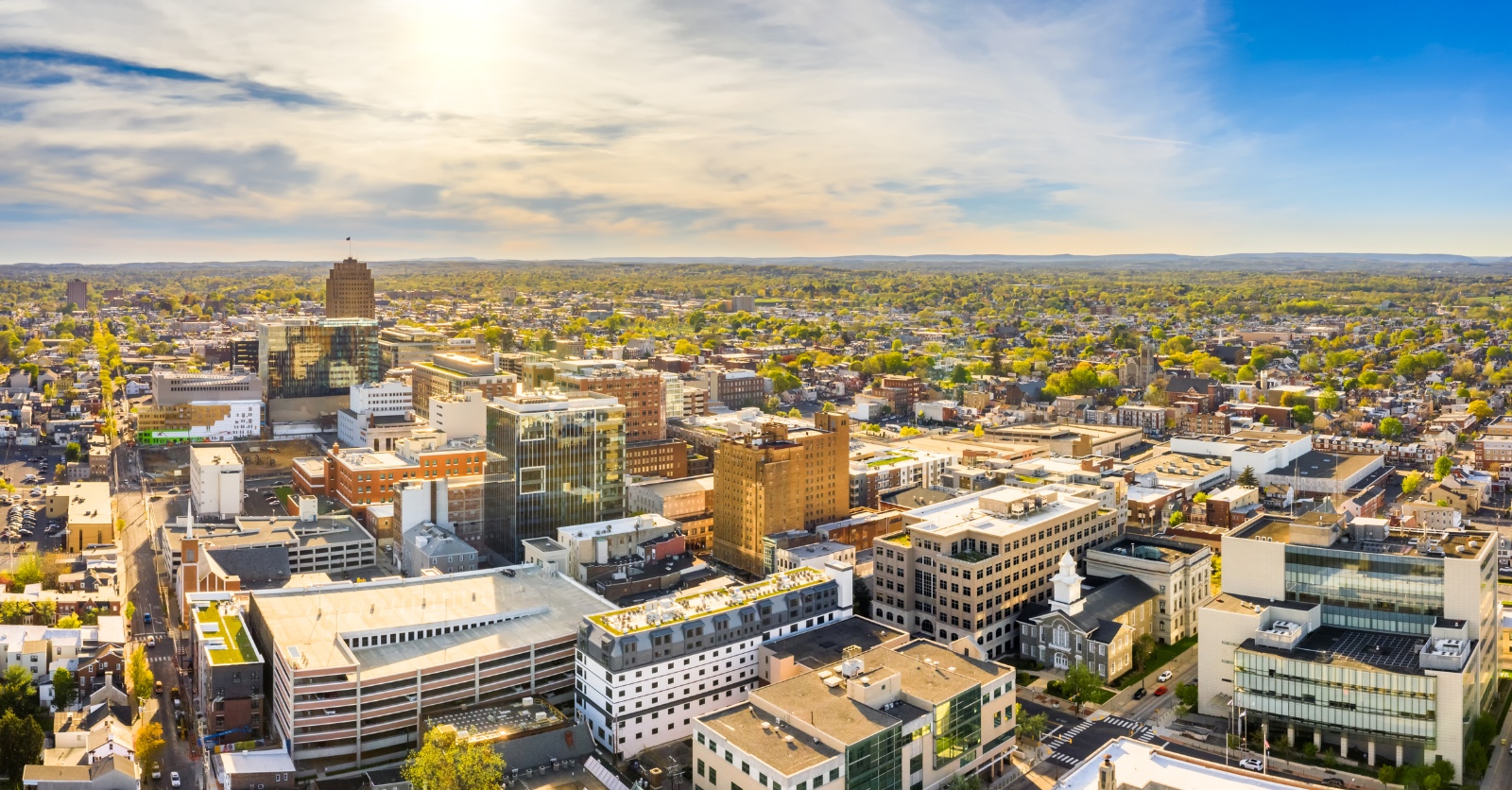
Rising housing costs in major metro areas are pushing many millennials toward mid-sized cities that offer better value without giving up access to jobs, entertainment, and everyday convenience. As Pennsylvania’s fastest-growing city, Allentown is one of the places benefiting from that shift.
Located in the Lehigh Valley, Allentown offers a lower cost of living compared to many larger Northeast markets, along with growing economic opportunity and a more active urban core.
Over the past few years, millennials have been discovering the perks and benefits of living in the area. Since 2020, the Lehigh Valley has added more than 21,000 residents, and its population of adults ages 18 to 34 grew by nearly 9,000 from 2020 to 2024. These trends point to a city and region that are drawing younger adults who want a practical place to invest while genuinely enjoying a high quality of life.
Table of Contents:
The key reasons millennials are choosing Allentown
1. Affordable housing compared to major Northeast cities
One of the biggest drivers behind interest in living in Allentown, PA is cost. Housing prices and rents across the U.S. remain well above pre-2020 levels, which has made lower-cost Northeast cities more attractive to younger buyers. In Pennsylvania, Allentown generally lands in a middle ground: more affordable than Philadelphia and many of its suburbs, while still offering more city amenities than many smaller markets.
2. Downtown revitalization and growth
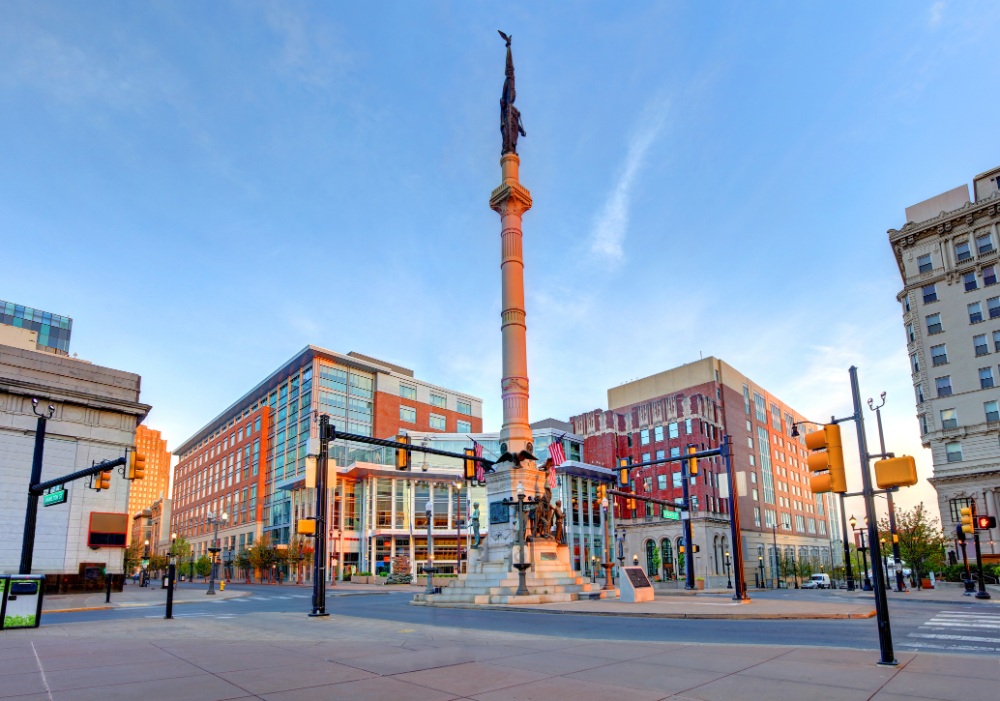
Downtown Allentown reflects the city’s recent investment and revitalization, with new development, public spaces, and a more active urban center.
Downtown Allentown’s momentum is not just about new restaurants and event spaces. It is backed by major long-term investment.
Allentown has seen more than $1 billion in downtown development over the past decade, driven in part by incentives tied to the city’s 130-acre neighborhood improvement zone. That investment has helped create 1.3 million square feet of office space, 1,500 apartments, a hockey arena, two hotels, a science center, and a music hall.
More recently, a full zoning rewrite that took effect on January 1, 2026 gave developers more flexibility to build the kinds of homes the city says it needs most, especially apartments and townhomes. Together, those changes have expanded housing options and strengthened Downtown’s role as a residential and entertainment district.
3. Career opportunities and economic growth
The Lehigh Valley Economic Development Corporation reports that the Lehigh Valley is at an all-time high of more than 341,000 jobs, reflecting a regional economy that continues to expand across healthcare, manufacturing, logistics, and professional services.
On the city level, Allentown secured a $20 million federal grant, the largest in its history, to help connect residents to jobs and reduce barriers to work in areas such as Center City, Franklin Park, and the First and Sixth wards. The program is designed to address practical issues like transportation access and affordable childcare while supporting job growth, including manufacturing opportunities.
4. Lifestyle amenities that millennials want

Hockey, concerts, and other live events help support the active entertainment scene that adds to everyday life in Allentown.
Beyond affordability, many younger adults care about having entertainment, green space, and day-to-day convenience in one city. Allentown offers that while also sitting within reach of the urban amenities and convenience of Philadelphia and New York City.
In downtown Allentown, places like PPL Center bring in hockey games, concerts, and other major events, while the ArtsWalk connects entertainment, dining, apartments, and arts venues in a walkable stretch of Center City. Archer Music Hall adds another live-event option, giving the area a more active cultural calendar.
Outside downtown, spots like Cedar Creek Parkway and the Rose Gardens feature trails, recreation space, and a quieter side of city life. Allentown is also known for larger community traditions. The Great Allentown Fair, now in its 174th year, brings in more than 200,000 visitors to the Fairgrounds for food, livestock competitions, and major live performances.
5. Community and long-term investment potential
Another reason living in Allentown, PA is drawing attention is that the city’s growth shows up in housing values as well as overall demand. Zillow reports that Allentown has shown steady value growth, with the average home value reaching about $304,235 as of February 2026. This is up 3.8% year over year and up 43.87% over the past five years. Homes for sale in Allentown, PA are also going pending in around 15 days, which points to a market with steady buyer interest.
For buyers and investors, that suggests Allentown is a market where demand, value growth, and ongoing development are all moving in the same direction.
6. Neighborhood variety and housing choice
There is also the simple advantage of choice. Allentown offers a mix of housing types, from historic row homes to newer apartments and townhomes, which makes it easier for first-time buyers, and investors to find an option that fits their goals.
That flexibility also shows up in the city’s neighborhoods. Areas like Downtown attract residents looking for walkability and newer residential options, while the West End is known for its established residential feel, local shops, and tree-lined streets.
Old Allentown adds historic character with its restored Victorian and brick row homes, while areas like Southside and Midway Manor offer a more suburban setting with easy access to daily essentials.
Some challenges to consider
There are still practical factors worth noting when it comes to living in Allentown, PA. One is the climate. For anyone relocating from warmer regions, winters in eastern Pennsylvania can feel like a real adjustment, with colder temperatures, snow, and more seasonal upkeep than in southern markets.
Another consideration is that not every part of the city is changing at the same pace. While downtown and several surrounding areas have seen significant investment, some neighborhoods are still in transition. That can mean a block-by-block difference in housing condition, amenities, and overall feel.
That is why location matters so much in Allentown. Buyers, sellers, and investors are also weighing commute patterns, nearby amenities, housing stock, and how established or evolving a neighborhood feels.
A final factor is transportation. Allentown offers strong regional access, but daily life is still more car-dependent than in larger cities with extensive transit systems. That can matter for residents who want to rely less on driving in their day-to-day routine.
Explore what makes Allentown stand out
Allentown continues to draw attention because it offers a rare combination of relative affordability, urban investment, job growth, and neighborhood variety. For millennials, first-time buyers, and investors, that makes it one of the more compelling markets in the Lehigh Valley.
For anyone considering living in Allentown, PA, it’s important to work with an expert local Realtor in Allentown, PA. The Weber Team brings more than 20 years of experience, is ranked the #1 small team in our local office, and is in the top 2% of the BHHS network. We focus on personalized service and clear communication to bring strong results for buyers, sellers, and investors.
To learn more about the Allentown, PA real estate market and the available opportunities here, contact us at 484.759.8688 or send us an email today.