
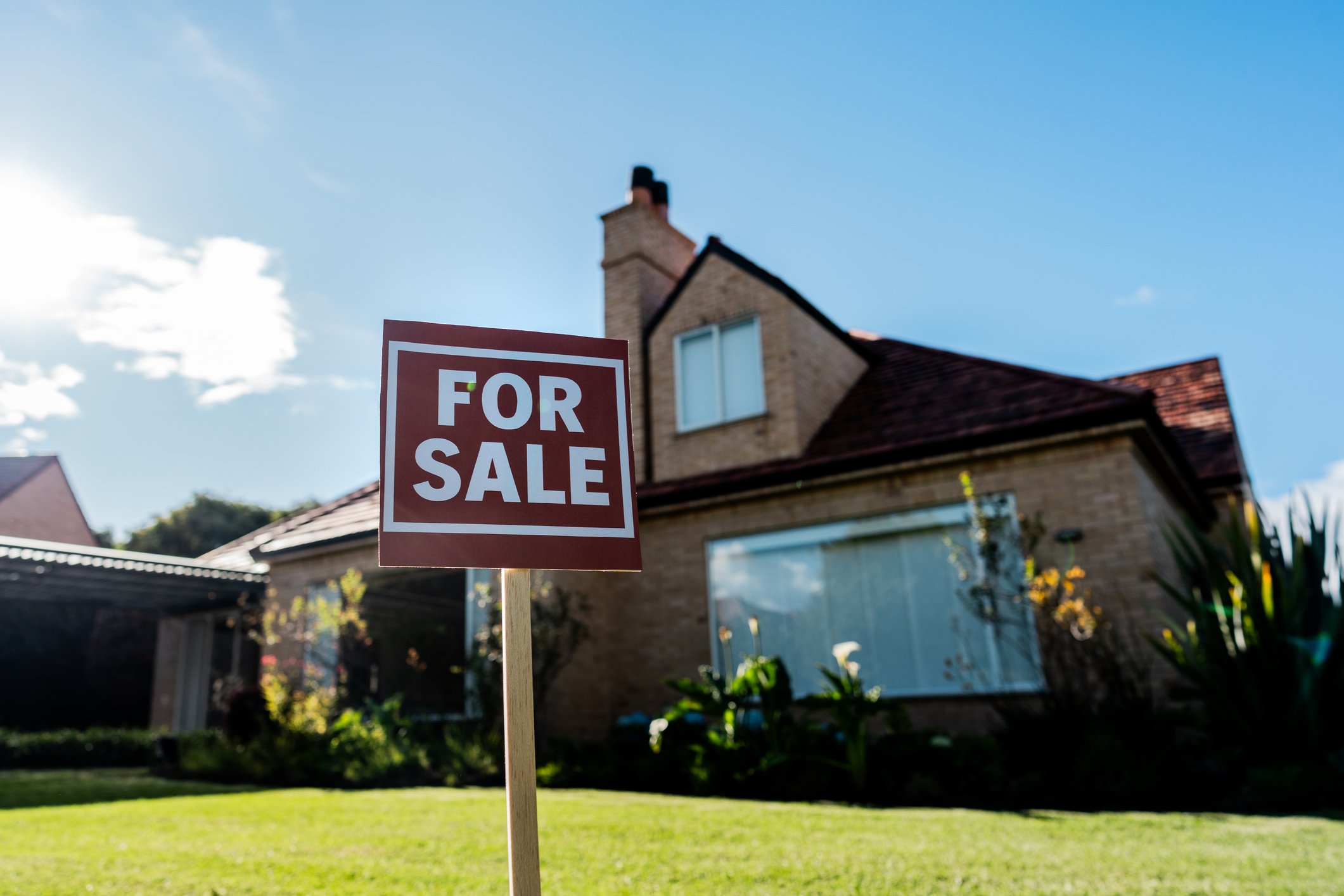
At a Glance: Selling Your Lehigh Valley Home
- Strong prices and limited supply still favor many sellers.
- Buyers have more choices, making pricing and presentation especially important.
- Nearby sales and competing listings help clarify your home’s market position.
- Your home’s condition and plans after the sale should guide your timing.
If you’re thinking about selling your Lehigh Valley home, you’re probably wondering whether it makes more sense to list now or wait. Home prices remain strong, inventory is still relatively tight, and many properties are selling quickly. At the same time, buyers have more options than they did during the most competitive years of the market.
That means the answer is not simply, “Yes, it’s a seller’s market.” Where your home is located and how it compares with nearby listings matter just as much. So do its condition and what you plan to do after the sale.
For homeowners in Allentown, Bethlehem, Easton, Emmaus, and other Lehigh Valley communities, current local data gives you a clearer idea of what selling in today’s market could look like.
Table of Contents
Is now a good time to sell in the Lehigh Valley?
If you’ve been asking, “Is it a good time to sell my house in Lehigh Valley?”, the answer for many homeowners is yes. Homes are still selling relatively quickly, prices remain above last year’s levels, and overall supply is still limited.
At the same time, buyers have more options than they did a year ago. Inventory increased 8.2% in August, giving them more room to compare properties before making an offer.
Mortgage rates remain another consideration. In September 2026, 30-year fixed rates were hovering around 7%. Higher borrowing costs can limit how much some buyers are comfortable spending each month.
For sellers, that means current conditions are still favorable, but the market is less forgiving than it was during the frenzy of a few years ago. Buyers are more likely to compare price, presentation, and overall value before deciding which home to pursue.
What the market means for sellers

Historic homes are part of the housing mix in several Lehigh Valley communities, where block-by-block differences can affect pricing and buyer interest.
For Lehigh Valley sellers, a stabilizing market places greater emphasis on strategy. Pricing, presentation, location, and competition all influence how buyers respond.
Pricing matters more in today’s market
Low inventory can support strong prices, but it does not guarantee buyers will overlook an ambitious asking price. When buyers have more options, a home that feels overpriced may lose attention to a competing property.
Presentation can separate your home from the competition
You do not need to renovate every room before selling. But when buyers have alternatives, unfinished repairs or poor presentation can make another home look like the easier choice.
Local conditions can look different across the Lehigh Valley
Real estate trends across the Lehigh Valley, PA can look different depending on where your home is located.
A city row home may attract a different buyer than a detached home in a suburban neighborhood. For example, historic properties in Bethlehem can face different competition from newer homes in other parts of the Valley. Price range can also be very different.
That is why a regional median price is useful for understanding the overall market, but not for estimating what an individual home may sell for.
Timing your sale as the market stabilizes
Spring is traditionally busy, but it is not automatically the best time for every Lehigh Valley seller. Local competition can tell a different story. A seller who faces little competition in September may be in a better position than one listing alongside several similar homes in April.
The best time to sell a house in Lehigh Valley, PA is not always tied to one season. How many similar homes are competing for buyers can matter just as much as the month you choose to list.
What to look at before you list
Before deciding when to sell, check the factors closest to your own property:
- Recent sales near your home: Look for properties that are actually similar to yours. A nearby sale may not be a useful comparison if the home was much larger, fully renovated, or on a different type of lot.
- Homes currently competing with yours: Recent sales show what buyers paid. Active listings show what they can choose from today. Compare the asking prices and condition of homes in your price range.
- Your home’s condition: Look at the property the way a buyer will. Obvious repairs or poor presentation can stand out more when buyers have alternatives. Not every project is worth doing before a sale.
- Your plans after the sale: If you plan to buy again, relocate, or downsize, your next move should be part of the timing decision. A quick sale may create more pressure if you are not ready for what comes next.
When waiting may make sense
Waiting can make sense if your home needs repairs that could affect buyer interest or your next move is still unsettled. Recent comparable sales may also fall short of the price you need.
What is harder to predict is whether waiting for a “better market” will pay off. The Lehigh Valley real estate market in 2026 may look significantly different in 2027. Prices, inventory, and mortgage rates can move in either direction.
A more useful question is: What would actually improve by waiting? If your home will be better prepared or your next move will be clearer, waiting may have a practical benefit.
Read more: Can you buy and sell a home at the same time in Allentown?
How The Weber Team Helps Sellers Read the Local Market
The Weber Team has helped sell hundreds of homes across the region. That experience gives us a close-up view of how buyer expectations and competition vary among communities, property types, and price ranges.
We apply those insights to your specific home—not just the regional numbers. We identify the listings that truly compete with yours, evaluate how buyers are responding to nearby properties, and develop a pricing and marketing strategy around current conditions.
From professional staging and high-impact photography to targeted buyer outreach, we design each step to position your home effectively from the moment it reaches the market.
FAQs About Selling a Lehigh Valley Home in 2026
How far ahead should I start preparing my home to sell?
Preparation can start before you choose an exact listing date. The amount of time needed depends on repairs, decluttering, photography, and any updates you decide to make.
Should I sell before I find my next home?
That depends on your financing and how much flexibility you have with timing. Sellers who need proceeds from their current home may approach the move differently from homeowners who can purchase before selling.
What if buyers are viewing my home but not making offers?
Strong showing activity without offers can point to a gap between buyer expectations and the property’s price or condition. Feedback from showings can help identify where buyers are hesitating.
How can I estimate what I’ll walk away with after the sale?
Your expected proceeds depend on the sale price as well as expenses such as mortgage payoff, transfer taxes, commissions, and other closing costs. A net proceeds estimate can give you a clearer picture before you list.
Get a Clearer Picture Before You List
The Lehigh Valley still offers favorable conditions for many sellers, but your neighborhood and property will tell you more than a regional headline. The Weber Team will help you review recent sales, current competition, and your plans for the move ahead.
Call us at 484.759.8688 or send an email to start planning your sale.